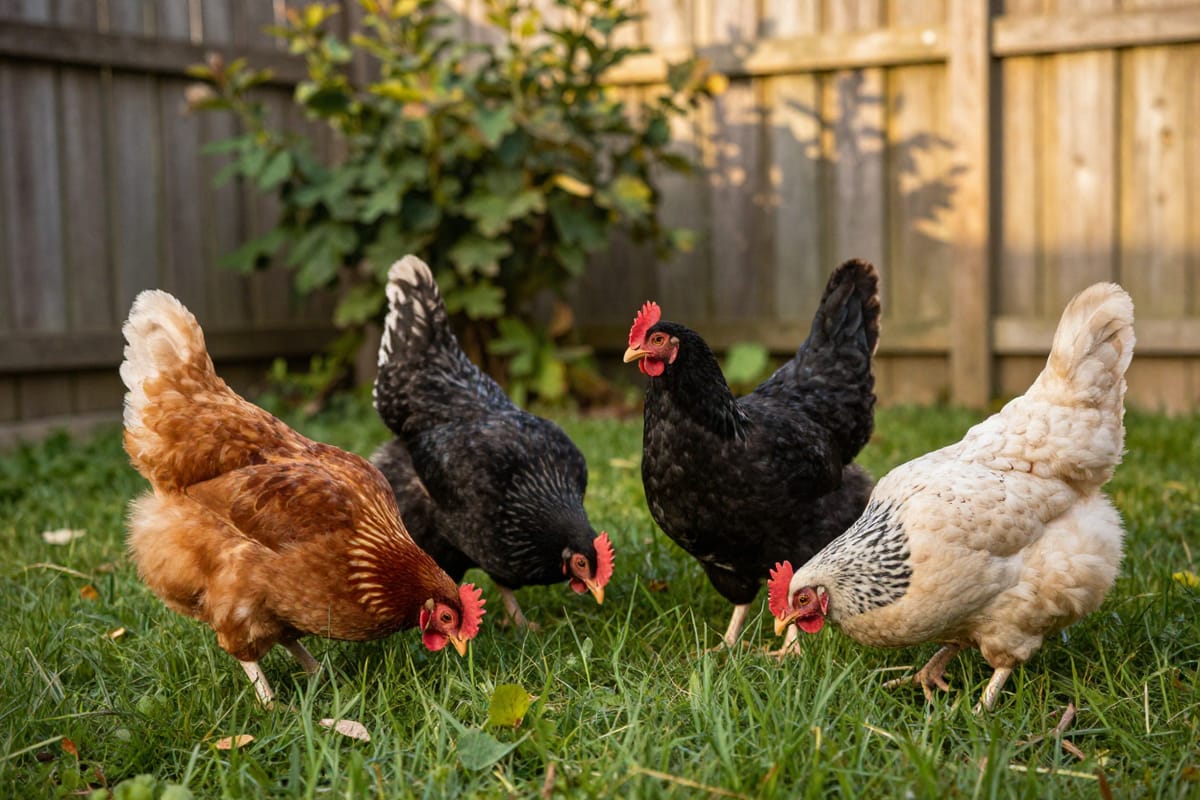
Best Chickens for Beginners, Compared Breed by Breed
The best chickens for beginners are calm, hardy and lay steadily. We compare eight breeds on temperament, eggs, climate and noise, then pick by situation.
Coops, breeds, feed, eggs and flock health, explained for keepers with three to twelve hens.
The best chickens for beginners are calm, hardy and lay steadily. We compare eight breeds on temperament, eggs, climate and noise, then pick by situation.
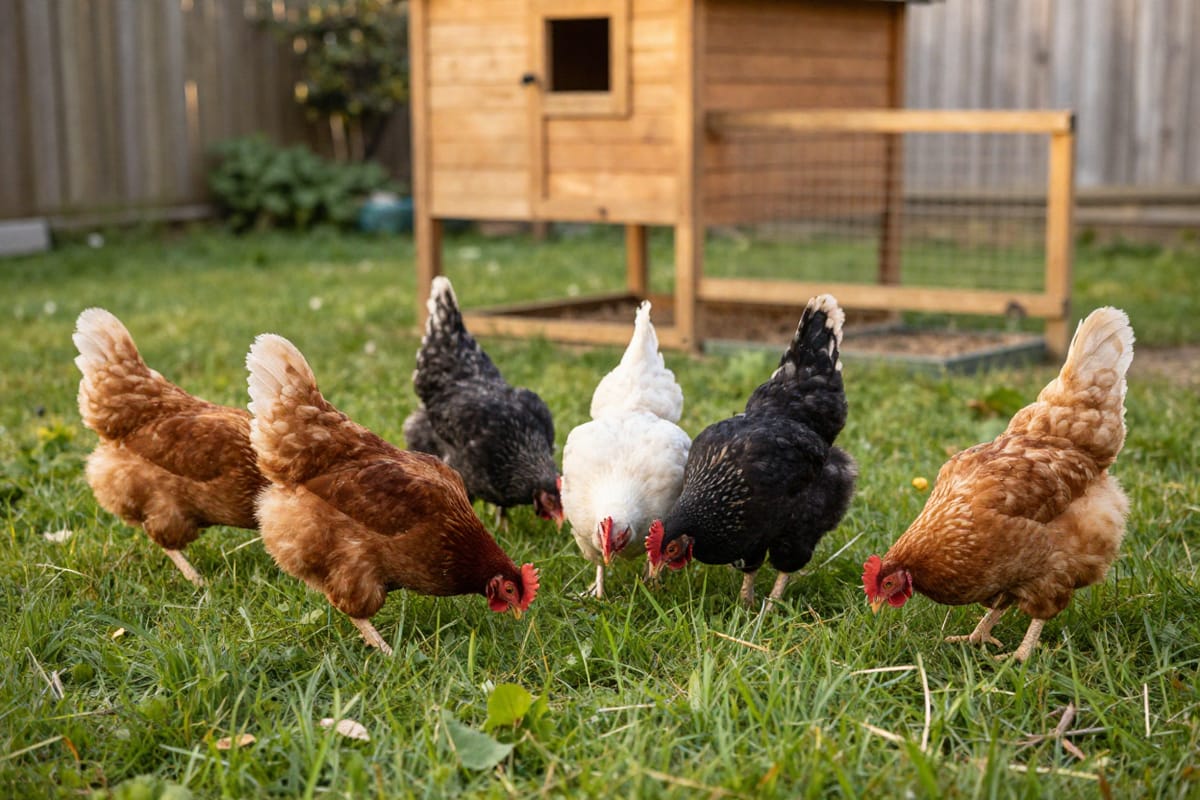
The best egg laying chickens ranked by eggs per year, with notes on egg color, temperament and climate, a comparison table and help choosing a breed for your flock.
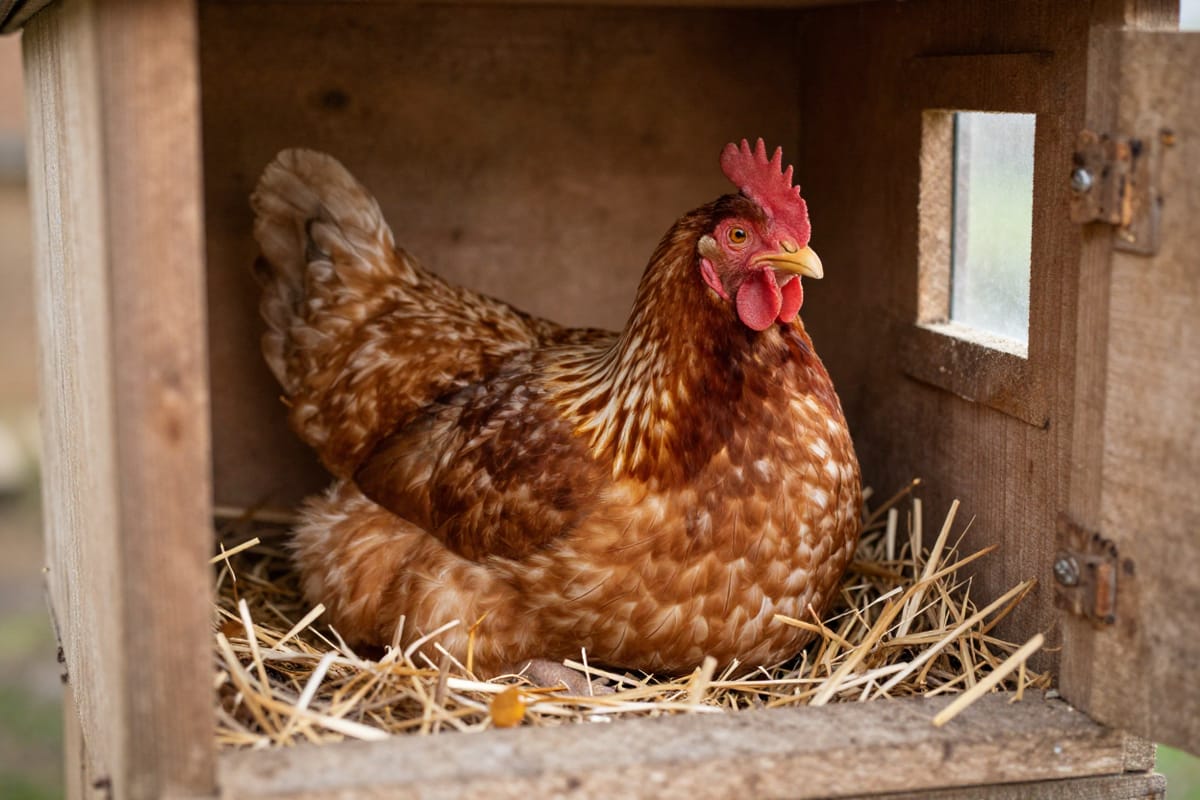
How to tell when a broody hen has really gone broody, how to decide between hatching chicks or breaking the brood, and what to do on each path.
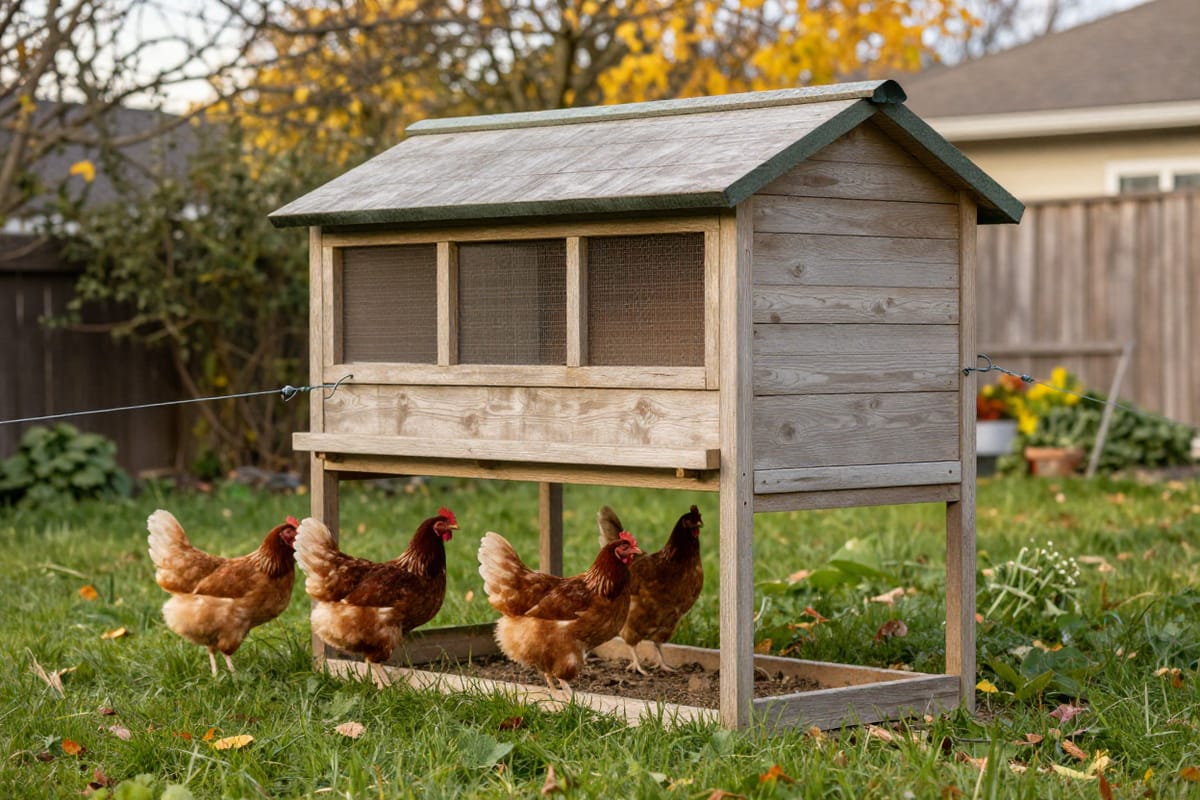
Chicken coop ventilation made simple: aim for 1 sq ft of vent per hen, put vents high above the roost, and keep winter air moving without drafts on the birds.
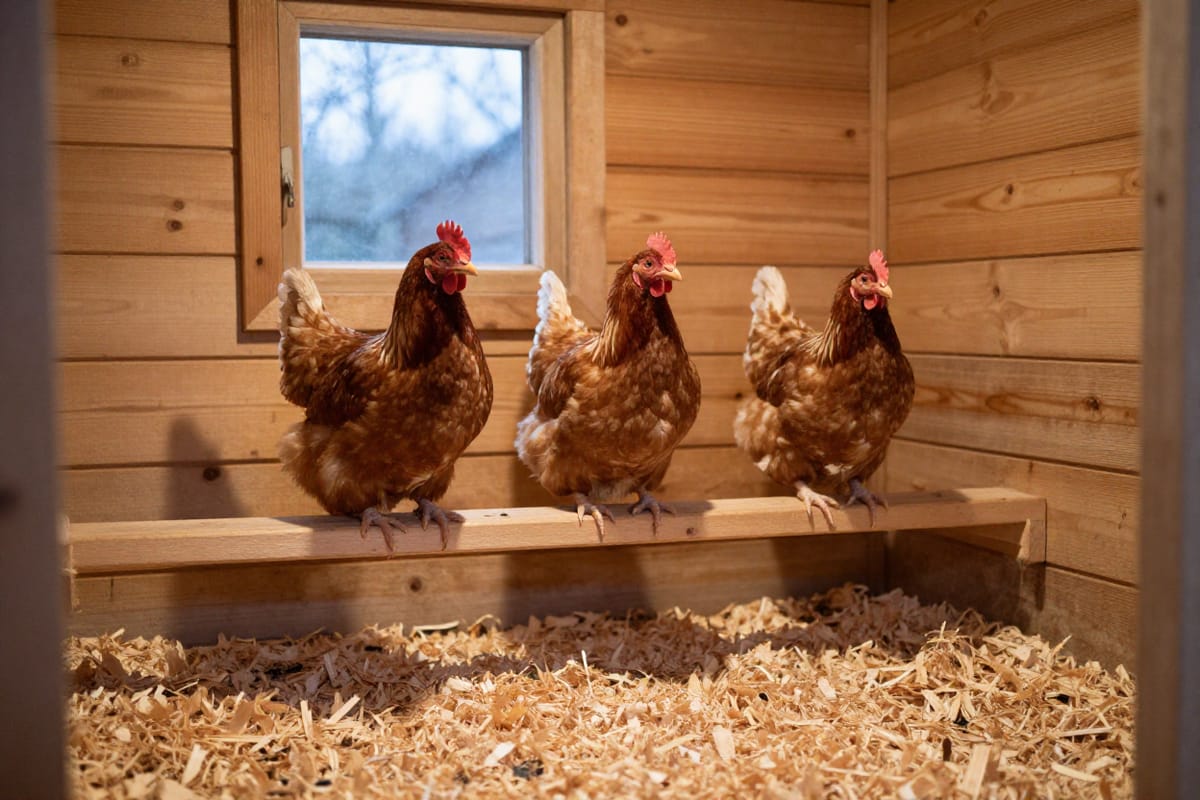
How to tell red mites from northern fowl mites, check hens at night, deep clean the coop and keep chicken mites away with a simple routine.
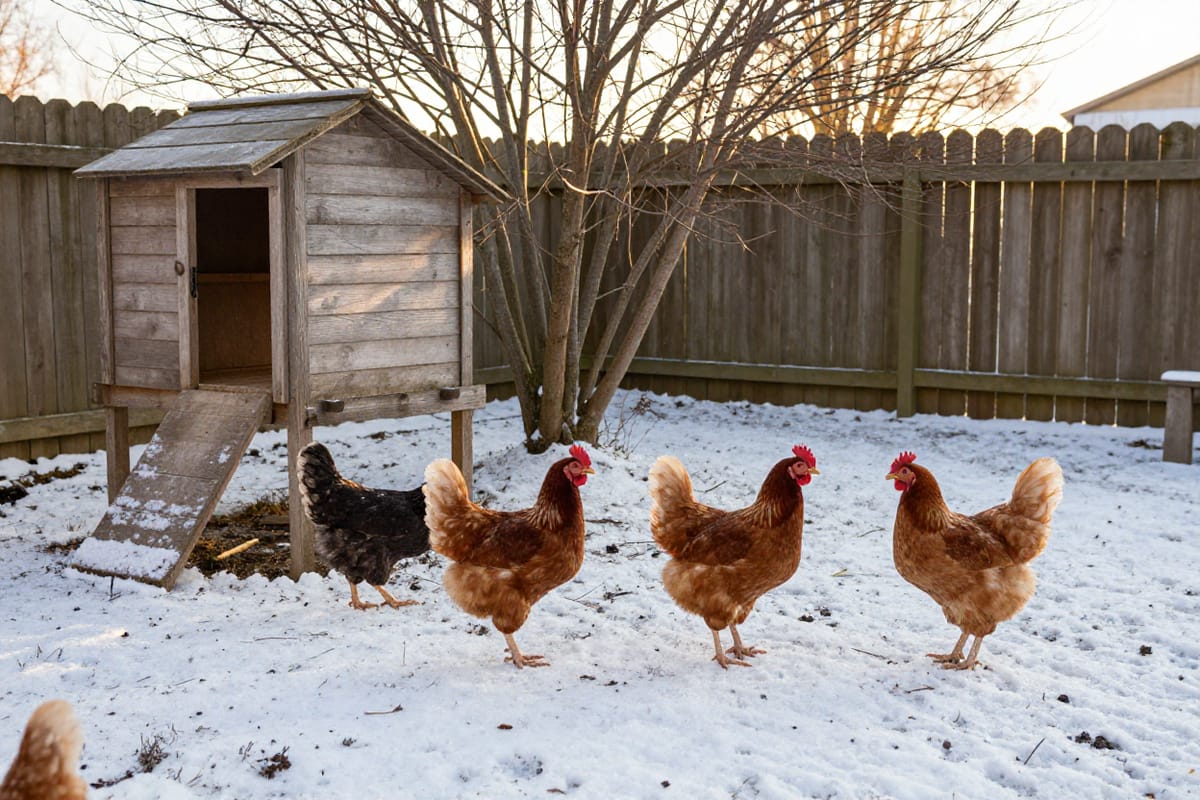
How to keep chickens warm in winter: a dry, ventilated coop with no drafts at roost level, wide flat roosts, unfrozen water and good feed, plus why we skip heat lamps.
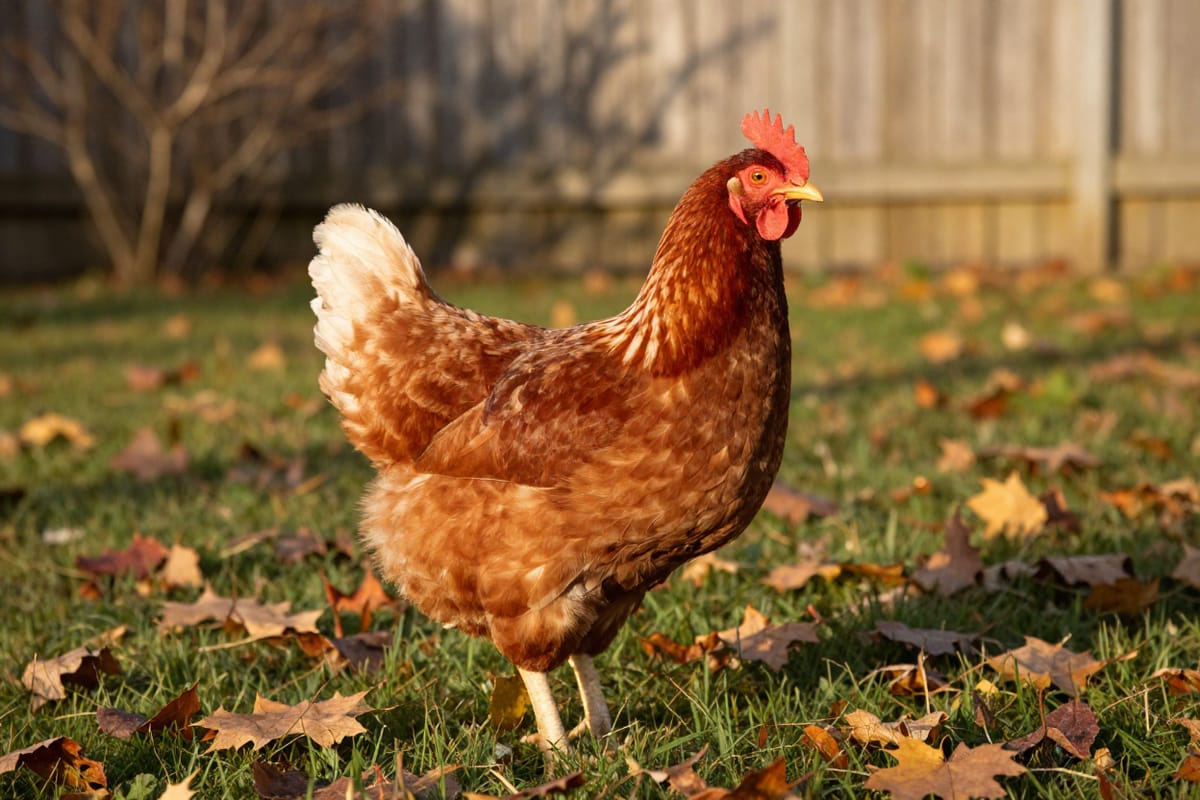
What molting chickens look like week by week, why hens stop laying, how much protein to feed during molt, and how to tell molt from mites or pecking.
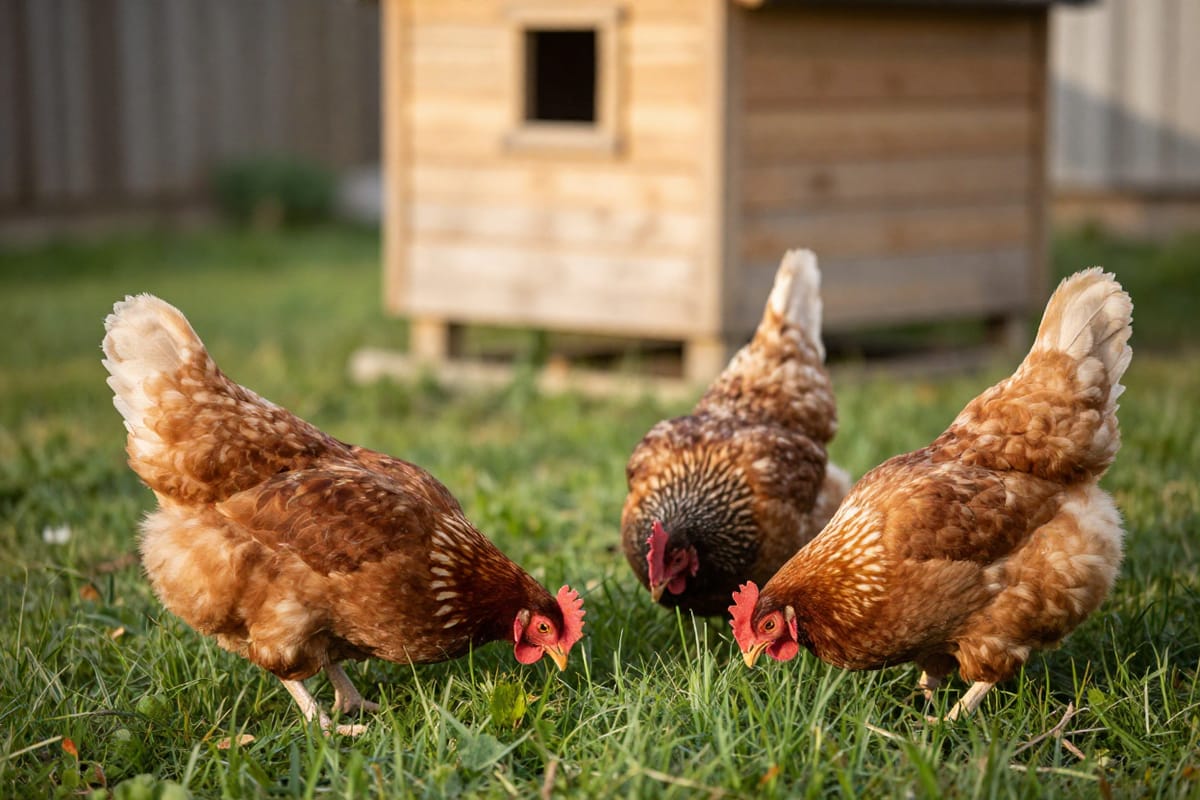
What do chickens eat? Feed by age, protein and calcium, grit, safe treats, daily amounts per hen, and the foods to keep out of the run.
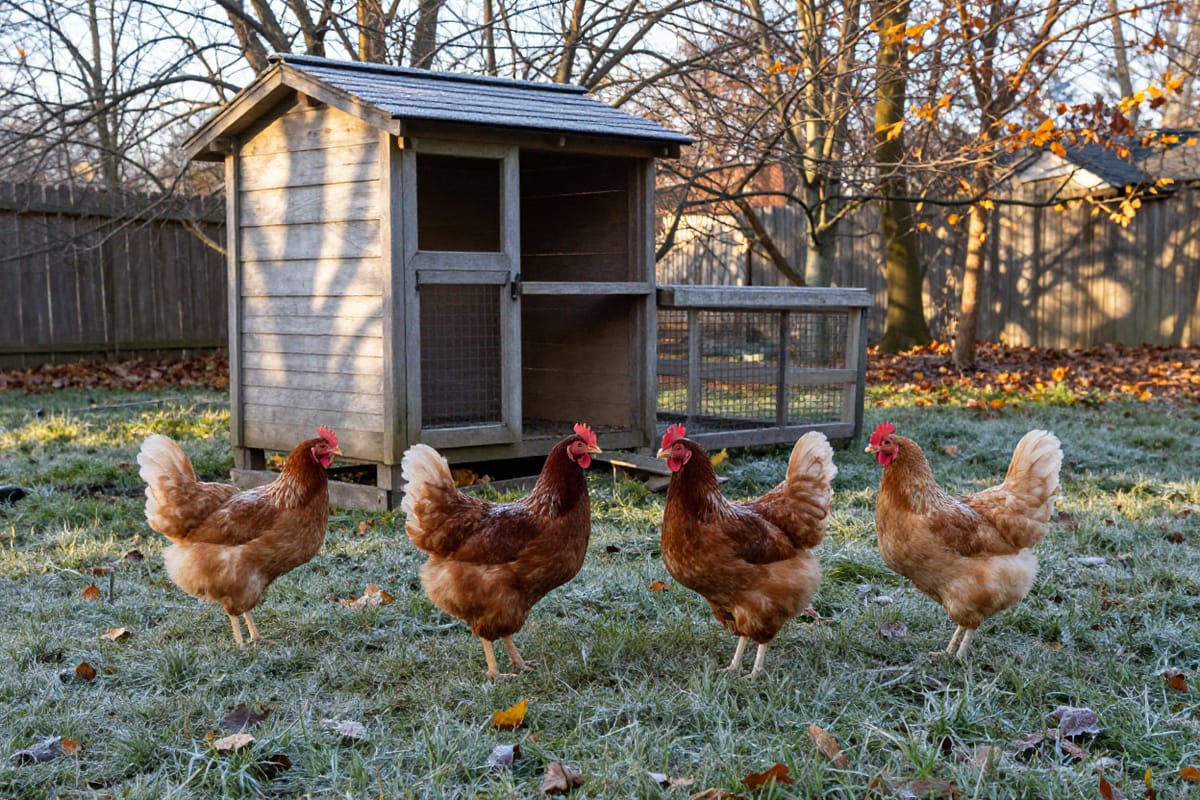
Chickens not laying eggs? Check daylight, molt, age, stress, diet, broodiness, hidden nests and pests, and find out which cause to rule out first.
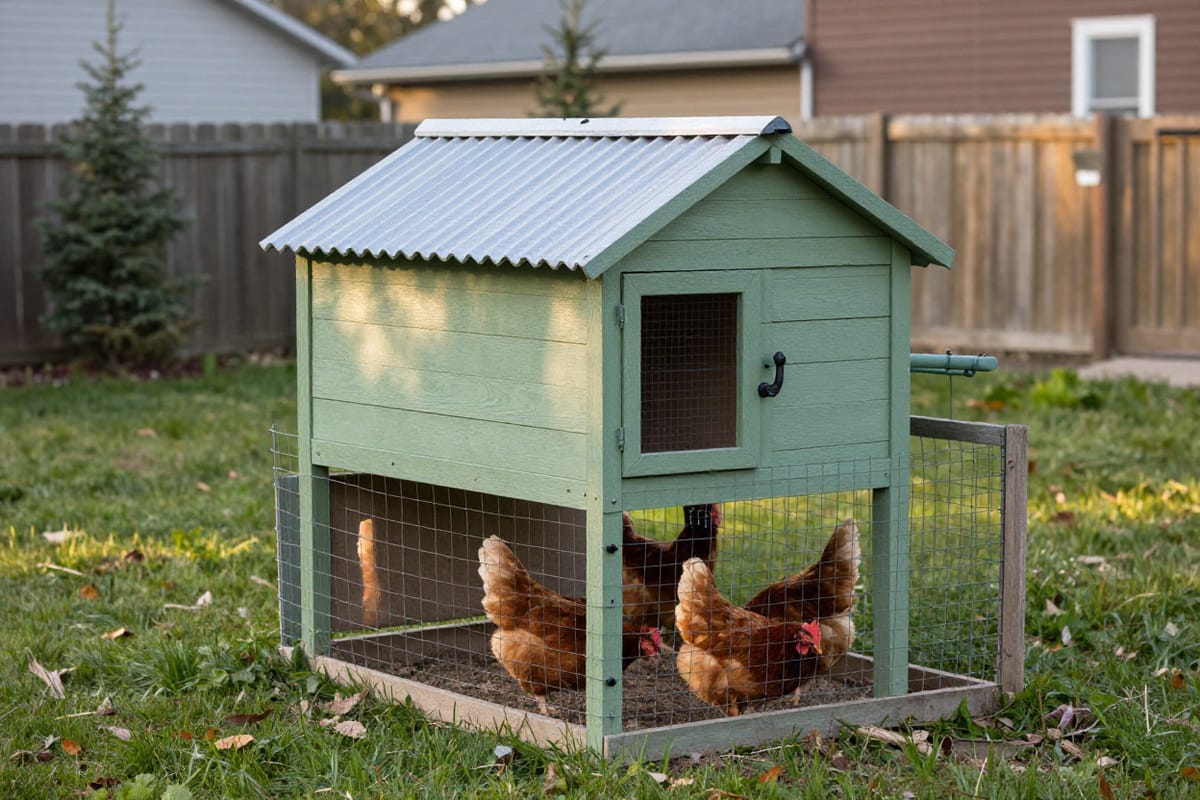
Check chicken coop plans before you build: floor space per hen, roost and nest box sizes, ventilation, doors and materials, plus a size table for 3-12 hens.
Three to twelve hens is the sweet spot for most backyards. It is enough birds for a steady supply of eggs, a flock that settles its pecking order without drama, and a coop you can clean in twenty minutes. It is also small enough that every decision matters: a coop a few square feet too small, a run without buried wire or a winter without enough ventilation shows up fast in a flock this size.
Nest Box Notes covers the questions that come up in the first years of keeping chickens. How to plan and size a coop and run, which breeds lay well in your climate, what to feed and how much, why egg production drops and when it comes back, and how to spot mites, molting and other health problems early. Every guide gives numbers in US and metric units, says where keepers disagree, and points to a vet when that is the right call.